
Sliding wardrobe door kits aren’t just a “nice upgrade.” They change how a bedroom behaves. The room feels less crowded, your walkways stop getting blocked by swing doors, and the whole space reads calmer because there’s less visual noise, tracks, panels, and lines that sit flat instead of constantly jutting out into the room.
And yes, you’ll still have to make choices that matter: panel material, track quality, and whether you want the doors to quietly disappear… or steal the show.
One-line truth: bad tracks ruin good doors.
Why sliding doors feel like a cheat code for space
You don’t really notice how much hinged doors bully a room until you remove the swing radius. Sliding doors give you back floor area and, more importantly, layout freedom, beds can sit closer, nightstands don’t have to be tiny, and you stop “designing around” a door.
They also clean up sightlines. A wide, flat panel (especially in matte finishes or simple frames) acts like a visual reset button, which is why modern bedrooms lean on them so hard.
Now, this won’t apply to everyone, but if you’re a light sleeper sharing a room: the best custom sliding wardrobe door kits glide with a soft, controlled roll that doesn’t announce itself at 6 a.m.
Hot take: Measuring is where most DIY wardrobe projects go to die
Not because people can’t use a tape measure. Because they measure once, trust the wall is straight (it isn’t), and order doors that fit a fantasy version of their opening.
Here’s the thing: you’re not measuring a rectangle, you’re measuring a slightly warped, lived-in building.
A practical measuring sequence (the one I use)
Grab a steel tape, a spirit level, and something to write on that you won’t lose.
Measure these, and record the smallest number each time:
– Width at three heights: top, middle, bottom
– Height at three points: left, center, right
– Depth/returns: how much “pocket” you have for tracks, trim, and door overlap
– Out-of-plumb check: hold the level vertically on both sides of the opening
If your top width is 2400 mm, middle is 2394 mm, bottom is 2388 mm… you design around 2388 mm. Not the best-case number.
Also: track placement matters more than people think. Surface-mounted tracks forgive a lot. Recessed tracks look cleaner, but they demand straighter floors and more patience.
Panels, finishes, and the surprisingly emotional topic of mirrors
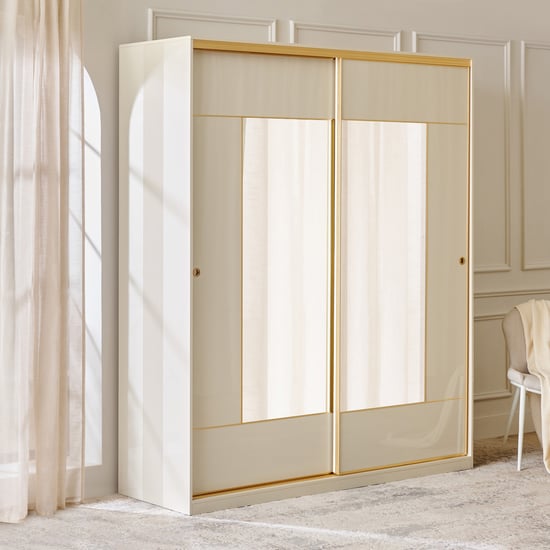
Mirror doors are polarizing. Some people love the light bounce and the “instant bigger room” trick. Others feel like they’re sleeping next to a gym.
Technically, mirrors do two great things:
- Increase perceived depth in small bedrooms
- Amplify available light, especially if the wardrobe faces a window or a lamp source
And there’s data behind the “bright rooms feel better” idea. A large survey analysis reported that daylight in homes is associated with better self-reported health and wellbeing (UK Household Longitudinal Study, published in Health & Place, 2022). Not a direct “mirrors fix your life” claim, just a reminder that light matters more than we treat it.
If you don’t want full mirror, I’ve seen these work beautifully:
– Smoked/bronze mirror (glam without looking like a dance studio)
– Mirror as an inset strip down one panel (breaks up reflection)
– Textured laminates for fingerprint resistance (especially in family homes)
Finish choice changes the whole vibe
– Matte: hides smudges, reads modern, less glare at night
– Satin: the safe middle (my default recommendation)
– Gloss: punchy, reflective, shows everything you’ve ever touched
Minimalist or glam? Pick a lane… then break it slightly
Minimalist sliding doors work when the geometry is disciplined: flat panels, thin frames, quiet color. Glam works when reflections and metal details become intentional focal points.
But the most “expensive-looking” installs I’ve seen usually mix the two. Like:
A restrained door profile, paired with one confident detail, brushed brass frame, a dark smoked glass panel, or a single vertical handle that feels architectural.
If the bedroom already has busy bedding, art, or patterned carpet, keep the wardrobe doors calmer. Let them be the backdrop, not the performance.
Customization that improves storage (not just aesthetics)
Most people treat the doors as the project. In reality, the inside layout is what fixes your daily routine.
I’m opinionated here: don’t spend big on doors and then accept a useless interior. It’s backwards.
Smart custom kits let you match door choices with storage logic:
– Full-height hanging zones for long garments (no crumpled hems)
– Drawer banks aligned with where you naturally stand
– Shoe shelves that don’t waste depth (angled shelves are underrated)
– Dedicated vertical bays for bags, accessories, or ironing boards
Want the room to feel bigger? Use finishes that reflect light softly (satin, light woodgrain, pale stone-look laminates) and avoid heavy dark panels unless the room is already bright and spacious.
Tracks and hardware: the unsexy part that decides everything
Look, a gorgeous panel on cheap rollers is like putting sports tires on a shopping cart.
What you want, mechanically:
– Load-rated rollers matched to door weight (not “close enough”)
– Anti-jump/captive wheel design so doors don’t derail
– Rigid track channels that won’t flex over time
– Soft-close that’s tuned, not slamming or creeping
Recessed tracks can look amazing, but they’ll punish uneven floors. Surface-mounted tracks are more forgiving and faster to install, and in real homes that matters.
Maintenance is boring but simple: vacuum the tracks, wipe with a microfiber cloth, and use dry PTFE lubricant sparingly. Oil-based sprays turn tracks into dust magnets (I’ve cleaned that mess; it’s not fun).
Budgeting without getting played by “cheap kit” pricing
Pricing usually breaks down into three buckets:
1) Entry kits: basic panels + basic rollers
Fine for light doors, low use, guest rooms.
2) Mid-tier (best value): better track rigidity, smoother rollers, decent finishes
This is where most bedrooms should land.
3) Premium: soft-close, thicker frames, custom finishes, better acoustics
Worth it if the doors are wide/heavy or used constantly.
A trick I like: phase upgrades. Buy the right tracks and rollers now, then upgrade panels later if budget is tight. Replacing panels is easier than replacing a whole rail system embedded in a finished room.
Installation basics (and the part people rush)
If your tracks aren’t level, the doors will remind you every day.
Quick install flow:
- Clear the opening and verify the substrate (plasterboard needs proper anchors; masonry needs the right plugs)
- Mount the top track perfectly level
- Install the bottom guide aligned to the top track (tiny offsets cause binding)
- Hang doors, adjust roller height, set stops/soft-close
- Test glide end-to-end and check consistent gaps
Then live with it for a week and re-tighten fasteners. Buildings move. Screws settle. That’s normal.
So what should you choose?
If you want the simplest win: satin finish + mid-tier hardware + a layout that actually matches your wardrobe habits. Mirrors if your room is dark or tight, textured panels if you hate fingerprints, and soft-close if you value quiet mornings.
And if you’re torn between “clean minimalist” and “a bit glam”? Go minimalist on the big surfaces, glam on one detail. It’s the combination that tends to age well.